




Flood Reduction:
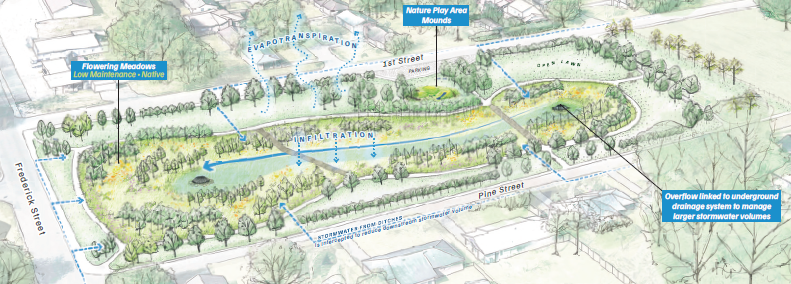
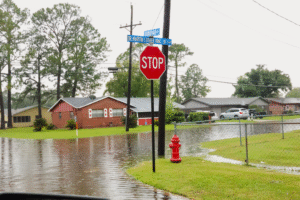 One function of the 1st Street Stormwater Park is to provide flood reduction to residents of the surrounding neighborhood. By diverting stormwater from neighborhood ditches into the naturalized detention area, the design will take pressure off of the frequently overwhelmed municipal drainage system and alleviate some of the repeat flooding issues that this community faces. The proposed stormwater detention system will provide 5.8-acre-feet (or ~252500 c.f.) of stormwater storage capacity and overflow will be managed via a riser pipe and connection to a junction box specified in the Drainage Improvement Plan for Moss Point.
Access to Nature and Recreational Opportunities:
 The park will also provide residents with access to nature and recreational opportunities. Residents expressed a need for an accessible and safe walking path so that elderly residents have a place to exercise. The proposed stormwater park design provides ~.4 miles of 6’ wide accessible tree-lined sidewalks designed to provide shade and an attractive street condition. Nature trails within the park provide an additional ~1/3 mile of accessible walking opportunities for residents, through the use of permeable paving designed to maximize infiltration on site. Educational signage and seating areas along the nature trails will encourage residents to learn about the species that these habitats support. Two boardwalks transverse the lowest-lying areas of the stormwater park, providing circulation across the site and opportunities for viewing wildlife in the most densely planted areas in the park.
Improved Habitat:
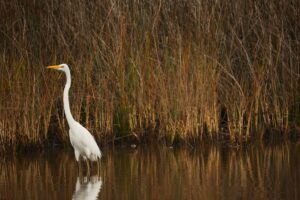 Toward the interior of the stormwater park, the grade gently slopes toward the center, ensuring positive drainage and suitable planting conditions for native species with high evapotranspiration rates. The proposed design draws on the natural plant communities existing in the coastal flatwood region, with groupings of pond cypress (Taxodium ascendens) at low elevations, and stands of slash pine (Pinus ellottii) at marginally higher elevations. While providing valuable extensions to native riparian habitat, these conifers and related species also provide visibility across the landscape, which was important to the neighborhood residents. Broadleaved shrubs were avoided for this reason (as they tend to obstruct views).
Minimal Maintenance:
Because this stormwater park will be owned and maintained by the city, it was designed to require minimal maintenance. Relating to tree selection, priority was given to evergreen and semi-evergreen species to minimize detritus produced by broad-leaved deciduous trees. Ground conditions are comprised of naturalized native meadow (2 acres, contained within the nature trail to delineate clear maintenance boundary) and 2.3 acres of typical lawn (between the walking and nature trail). A mown path lined by trees runs through the interior meadow to provide less prescriptive opportunities for engagement with the landscape.
Project Overview
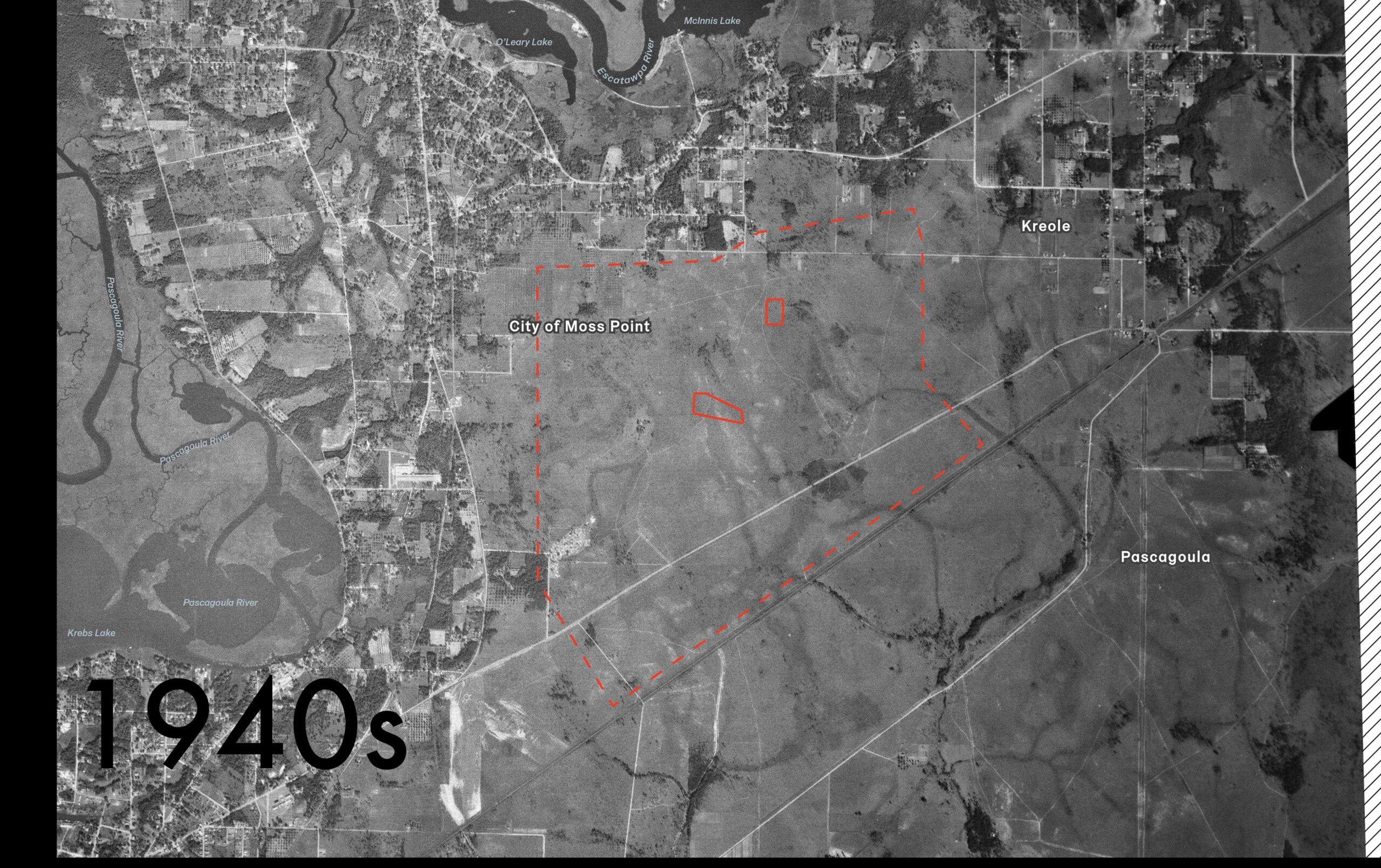
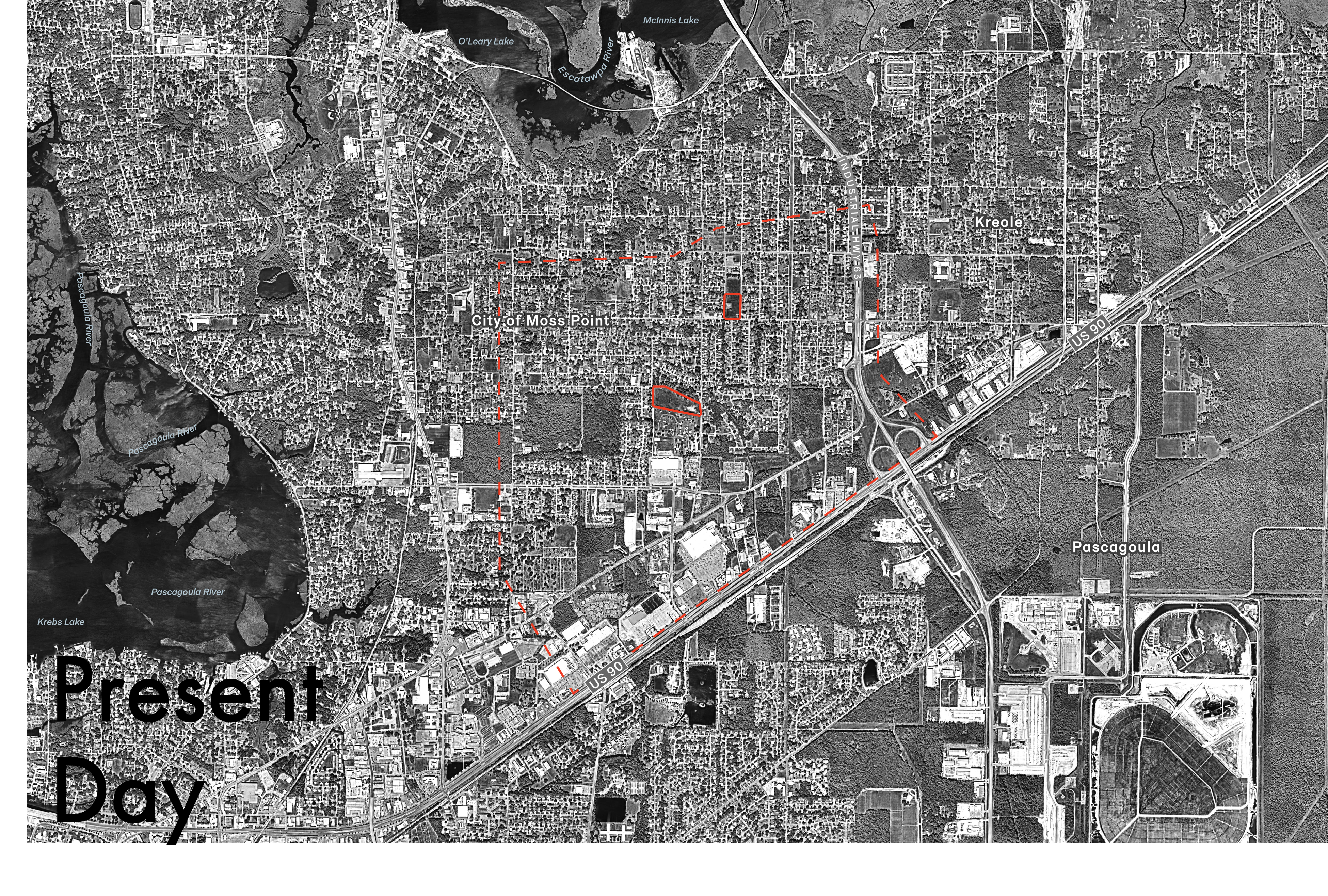
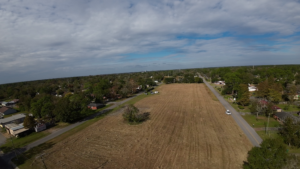 A portion of St. Joseph’s Catholic Church property in Moss Point, Mississippi, is undergoing a transformative redesign to address persistent flooding and pollution challenges in the surrounding neighborhoods. This initiative leverages Nature-Based Solutions (NBS) to create a stormwater park that combines innovative stormwater management with enhanced ecosystem services.
The southern section of the property, currently undeveloped, will be the focal point of this project. Through strategic placement of naturalized detention areas, native plantings, and enhanced habitat connectivity, the park will provide a multi-functional space designed to mitigate flooding, improve water quality, and offer valuable green infrastructure education to the Moss Point community.
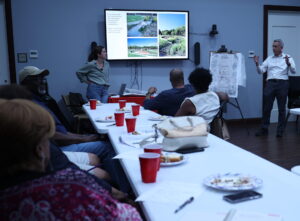
The stormwater park will directly benefit the community of Moss Point. As a matter of fact the stormwater park design resulted from a collaboration of residents, community-based organization members, city and county officials (e.g., aldermen, board of supervisors), civic leaders, and other local stakeholders called a community design group. These representatives actively participated in the development of the park and assisted in shaping its functionality. During the design meetings several aspects of the park were identified as Key Features.