

River City Flood Ready!

Kreole Elementary Project

MPSD
EPA

Kreole Elementary School Green Infrastructure Project

Building Resilience Through Innovation

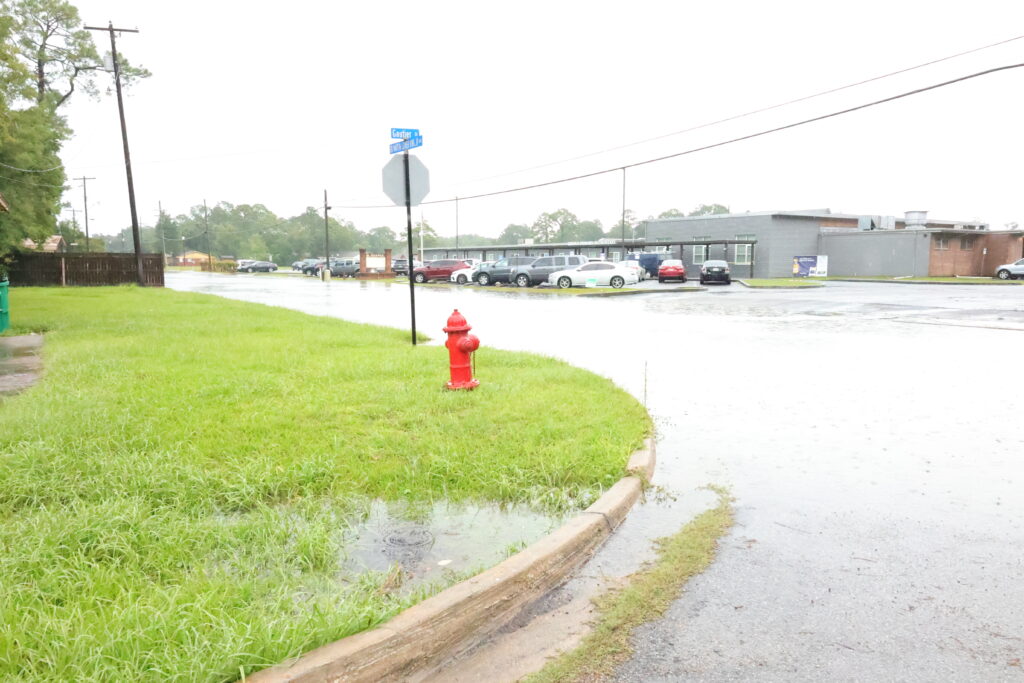
Flooding and nonpoint source pollution are challenges faced by many areas in the river city, and Kreole Elementary School is at the forefront of a transformative solution. This project, led by the Grand Bay National Estuarine Research Reserve (NERR) and the Mississippi Gulf Coast Community Design Studio (GCCDS), is a cornerstone initiative in enhancing stormwater management using Nature-Based Solutions (NBS).

What We’re Doing

The Kreole Elementary project takes a hands-on, community-focused approach to improve stormwater resilience. Here’s how we’re making a difference:
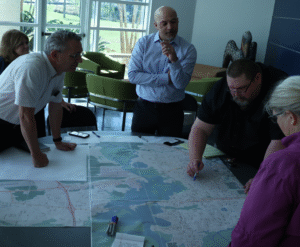
  1. Strategic Design & Implementation:
    Using EPA’s Stormwater Management Model (SWMM), we identified Kreole Elementary as a prime site for green infrastructure retrofits. These include bioswales, rain gardens, and pervious pavement to manage runoff and improve water quality.
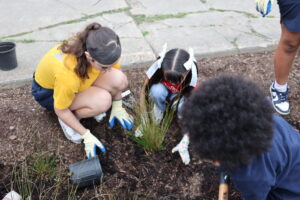
  2. Community Collaboration:

    The design process actively involves residents, municipal staff, and school officials to ensure that solutions meet both the community’s needs and environmental goals.

  3. Training for Sustainability:
    Training programs empower municipal staff and local residents with the skills to maintain these installations, fostering long-term sustainability. This project is about more than just infrastructure—it’s about creating a stronger, more resilient community.

The Benefits

  • Reduced Flooding: Nature based stormwater solutions are designed to absorb and redirect runoff, alleviating the frequent flooding that affects the surrounding neighborhood.
  • Cleaner Water: NBS installations help filter pollutants from runoff, improving water quality before it enters nearby waterways.
  • Educational Impact: The project serves as a living laboratory, teaching students and residents about sustainable stormwater management.
  • A Model for Other Communities: This initiative sets a standard for implementing green infrastructure in other communities across the Gulf Coast.

Progress So Far

  • Design Phase Completed: Collaborative efforts with community stakeholders and environmental engineers have produced detailed construction drawings.
  • Phase One Construction Completed: Our team, including contractors from New Orleans, successfully brought the designs to life.
  • What’s Next: More nature based stormwater solutions are being designed for Kreole Elementary and will be installed during Phase Two! Long term monitoring is also currently underway. Our goal is to understand how well the bioswale is reducing stormwater runoff and improving water quality in the surrounding area.

Frequently Asked Questions

Kreole Elementary School was identified as a high-priority site because of its significant flooding issues and its potential to serve as a model for green infrastructure solutions. Using EPA’s Stormwater Management Model (SWMM), the project team determined that implementing Nature-Based Solutions here would effectively manage runoff, reduce nonpoint source pollution, and directly benefit the surrounding community, which frequently experiences the compounded effects of flooding and outdated stormwater infrastructure.

Sustainability is a key focus of the project. Training programs have been designed for local residents and municipal staff to ensure proper maintenance of the installations. These workshops provide step-by-step guidance on caring for bioswales, rain gardens, and other features, empowering the community to take ownership of the project. Additionally, ongoing monitoring of water quality and infiltration rates will help refine maintenance practices and measure the project's effectiveness over time.

This project incorporates natural elements, which go beyond conventional gray infrastructure by mimicking natural processes to manage stormwater. Unlike concrete drainage systems, NBS installations like rain gardens and pervious pavement filter pollutants, recharge groundwater, and create green spaces that enhance community well-being. This approach not only addresses immediate flooding issues but also provides long-term ecological and social benefits, setting a sustainable precedent for other underserved communities.